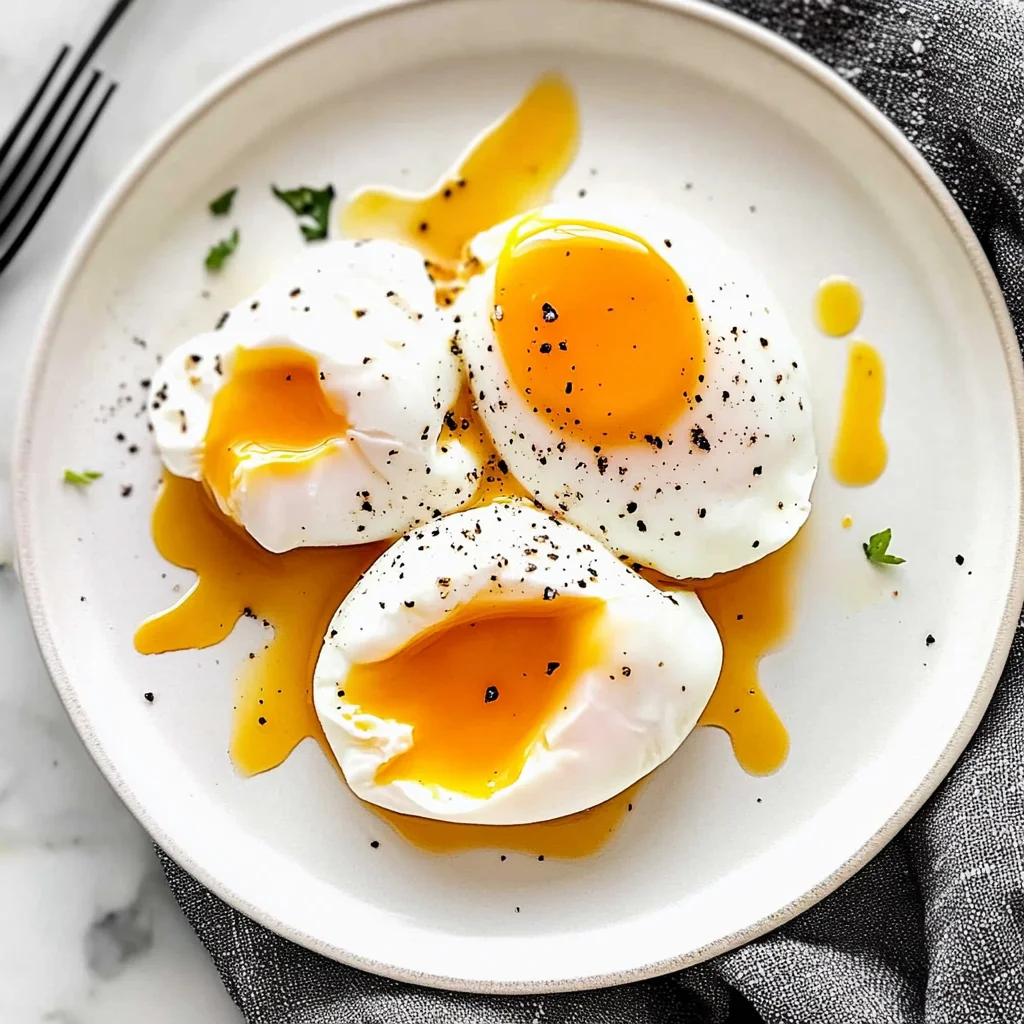
Imagine the moment when you slice into a perfectly poached egg, and the rich, golden yolk cascades like a sunny waterfall over your plate. The delicate balance of tender whites cradling that luscious center creates a symphony of flavors that dances on your palate, making every bite an irresistible experience. Whether on toast, nestled atop a vibrant salad, or gracing your favorite brunch spread, these poached eggs are bound to steal the show and leave your taste buds singing.
If you’re like me, reminiscing about lazy Sunday mornings spent experimenting in the kitchen brings a smile to your face. The thrill of mastering poached eggs how to create that velvety texture is worth every splash of water and moment of patience. Picture yourself impressing friends at a brunch gathering, serving up these beauties with flair while sharing laughter and stories. Get ready to elevate your breakfast game and unlock the secret to this culinary delight that promises an explosion of flavor in each mouthful!
Why Will You Keep Making poached eggs how to?
Perfectly poached eggs are the cornerstone of a delicious breakfast, bringing a beautiful runny yolk that elevates any dish. Quick and easy to prepare, this recipe takes just 15 minutes from start to finish! Versatile in nature, they can grace toast, salads, or grain bowls with ease. Fresh ingredients, like large eggs and a touch of vinegar, ensure a delightful texture every time. And let’s not forget the crowd-pleasing appeal—everyone loves that silky yolk!
poached eggs how to Ingredients
- For the Eggs
- 4 large Eggs – Fresh eggs work best for poaching, ensuring a perfect runny yolk and tender whites.
- For the Water
- 4 cups Water – This is essential for creating the gentle simmer needed for poaching the eggs.
- For the Vinegar
- 1 tablespoon White vinegar – Adding vinegar helps to coagulate the egg whites, resulting in a neater poached egg.
- For the Salt
- to taste Salt – Season your poached eggs just before serving for optimal flavor, especially if you enjoy them on toast or salads.
Directions: poached eggs how to
1. Fill the Pan: Start by filling a saucepan with 4 cups of water and add 1 tablespoon of white vinegar. Bring it to a gentle simmer over medium heat, creating the perfect environment for your eggs.
2. Crack the Eggs: Carefully crack each of the 4 large eggs into a small bowl. Take your time here; you want to ensure that the yolks remain intact for that lovely runny center.
3. Create the Whirlpool: Gently whisk the simmering water to create a whirlpool effect. This helps keep the egg whites together, so carefully slide each egg into the center, allowing them to poach beautifully.
4. Cook Perfectly: Let the eggs cook for about 3-4 minutes for that ideal runny yolk, or longer if you prefer firmer yolks. Watch as the whites turn tender and opaque, while the yolk remains delightfully golden.
5. Remove and Serve: Use a slotted spoon to lift each egg from the water. Drain them on a paper towel briefly, then season with salt to taste before serving them up warm and inviting.
Optional: Garnish with fresh herbs or a sprinkle of paprika for extra flavor!
Exact quantities are listed in the recipe card below.
Tips for the Best poached eggs how to
- Fresh Eggs Matter: Use the freshest eggs possible; they hold their shape better and result in more tender whites when poached.
- Vinegar’s Role: Don’t skip the vinegar—it helps the egg whites coagulate quickly, preventing them from spreading out in the water.
- Gentle Simmer: Ensure you’re at a gentle simmer, not a rolling boil. Too much agitation can break apart your delicate eggs.
- Whirlpool Technique: Create a gentle whirlpool before adding the eggs. This helps them stay together and form a beautiful shape while cooking.
- Timing is Key: Aim for 3-4 minutes for that perfect runny yolk. If you prefer firmer yolks, extend cooking time slightly but keep an eye on them!
- Drain Well: After removing the poached eggs, let them drain on paper towels to avoid excess water, ensuring your dish isn’t watery when served.
How to Store and Freeze poached eggs how to
- Fridge: Store poached eggs in an airtight container for up to 3 days. They maintain their best quality when kept chilled to prevent spoilage.
- Freezer: For longer storage, freeze poached eggs in a single layer on a baking sheet. Once frozen, transfer them to a freezer bag for up to 2 months.
- Reheating: To reheat, gently submerge frozen poached eggs in hot water for about 5 minutes. This helps preserve the delicate texture and runny yolk.
- Serving Tips: If storing poached eggs how to for later use, season just before serving for the best flavor and freshness!
poached eggs how to Your Way
Feel free to get creative and make this classic dish your own with these delightful variations!
- Herbed Delight: Add fresh herbs like dill or chives to the poaching water for a fragrant twist. The herbs infuse subtle flavors into the eggs, elevating their taste beautifully.
- Spicy Kick: Stir in a pinch of cayenne pepper or chili flakes into the water for an extra kick. This simple addition can turn your breakfast into a bold and fiery start to the day.
- Creamy Addition: Top your poached eggs with a dollop of crème fraîche or ricotta right before serving. This creamy finish adds richness and balances the egg’s texture perfectly.
- Savory Garlic: Infuse crushed garlic cloves in the poaching water for a savory aroma. Just remember to remove them before adding the eggs, allowing for a gentle garlic essence without overpowering the dish.
- Zesty Citrus: Squeeze a little lemon juice into the poaching water for a bright citrus note. The acidity cuts through the richness, making each bite refreshing.
- Umami Boost: Drizzle soy sauce or tamari over the finished poached eggs for an umami hit. This Asian-inspired twist pairs wonderfully with rice or sautéed greens.
- Cheesy Indulgence: Sprinkle grated Parmesan or feta on top of your poached eggs just before serving. The saltiness of cheese complements the yolk’s creaminess, creating a delectable flavor combination.
- Smoky Flavor: Incorporate smoked paprika into the water for a unique smoky flavor profile. This adds depth and intrigue that makes breakfast feel more gourmet.
Make Ahead Options
If you’re looking to streamline your mornings, perfectly poached eggs are an ideal choice for meal prep! You can prepare the vinegar-infused water in advance; just fill a saucepan with 4 cups of water and 1 tablespoon of white vinegar, bringing it to a gentle simmer. Crack the 4 large eggs into small bowls ahead of time, ensuring you don’t break any yolks. While you can poach the eggs fresh for optimal taste, if you want them ready to go, poach them up to 3 days in advance. To maintain that luscious runny yolk and tender whites, make sure to store them submerged in cold water in an airtight container. When it’s time to enjoy your poached eggs, simply reheat them gently in simmering water for about 2 minutes, season with salt, and serve! With these tips, you’ll master poached eggs how to like a pro while saving precious morning minutes.
poached eggs how to Recipe FAQs
What type of eggs are best for poaching?
Fresh eggs work best for poaching because they hold their shape better than older eggs. Look for eggs with a firm white and a bright, round yolk; this will help you achieve that perfect runny center and tender whites.
How can I store leftover poached eggs?
If you have leftover poached eggs, it’s best to store them in the refrigerator in a covered container. They can be kept for up to 2 days. When you’re ready to enjoy them again, gently reheat in warm water for about 1-2 minutes to restore their velvety texture.
Can I freeze poached eggs?
While it’s not common to freeze poached eggs due to their delicate texture, you can do so if necessary. To freeze, place the cooled poached eggs on a baking sheet, freeze until solid, then transfer them to an airtight container. They can last up to 2 months in the freezer. When reheating, use warm water for the best results.
What should I do if my egg whites spread out in the water?
If your egg whites are spreading instead of staying together while poaching, it could be due to using older eggs or not adding enough vinegar. Fresh eggs will coagulate more readily. If you find that your egg whites are still spreading, try creating a stronger whirlpool before adding the egg or increase the vinegar slightly.
How many servings does this recipe make?
This recipe yields 4 perfectly poached eggs, making it ideal for serving breakfast for yourself or your family! With each egg containing approximately 70 calories, it’s a light yet satisfying meal option.
How long should I cook my poached eggs for different yolk textures?
For a runny yolk, aim for about 3-4 minutes of cooking time in simmering water. If you prefer a firmer yolk, extend the cooking time to around 5-6 minutes. Keep an eye on your eggs as they cook; you’ll know they’re done when the whites are set but still tender!
Poached Eggs
Ingredients
Method
- Fill a saucepan with water and add vinegar. Bring to a gentle simmer over medium heat.
- Crack each egg into a small bowl, being careful not to break the yolk.
- Create a gentle whirlpool in the simmering water using a whisk. Carefully slide each egg into the center of the whirlpool.
- Cook for about 3-4 minutes for a runny yolk or longer for a firmer yolk.
- Use a slotted spoon to remove the eggs from the water. Drain on a paper towel and season with salt before serving.